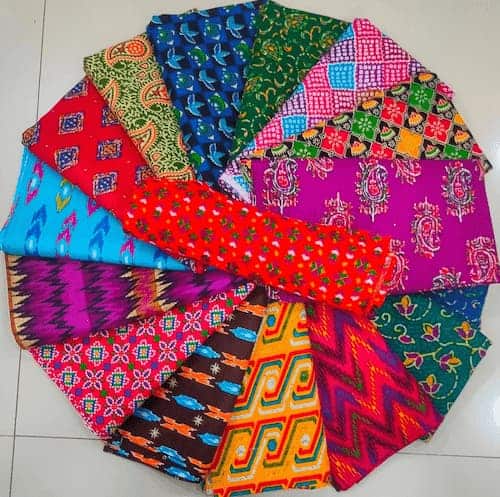
When investing in a custom-made blouse, the fabric you choose is just as important as the fit and design. The right material can transform a simple garment into a luxurious statement piece, while the wrong choice might leave you uncomfortable or disappointed. At Jesse & Son Tailor, we believe that understanding fabric properties empowers you to make informed decisions about your custom wardrobe.
This comprehensive guide explores the top fabrics for custom women’s blouses, examining their unique characteristics, benefits, drawbacks, and ideal use cases. Whether you’re seeking everyday elegance or special occasion sophistication, understanding these materials will help you collaborate effectively with your tailor to create blouses that perfectly suit your lifestyle, preferences, and the Bangkok climate.
Understanding Fabric Weight Categories Affecting Custom Blouses
Before diving into specific materials, it’s essential to understand how fabric weight affects wearability and seasonality. Fabric weight is typically measured in grams per square meter (GSM) and determines how a blouse will drape, breathe, and perform in different weather conditions .
Lightweight Fabrics For Women’s Blouses (Under 130 GSM)
Lightweight fabrics are ideal for hot, humid weather and create flowing, ethereal silhouettes. These materials excel in summer months or tropical climates like Thailand, offering maximum breathability and comfort. Examples include chiffon, voile, and lightweight cotton batiste.
Medium-Weight Fabrics For Women’s Blouses (130-200 GSM)
Medium-weight fabrics represent the versatile workhorses of blouse materials. Suitable for year-round wear in moderate climates, these fabrics offer structure while maintaining comfort. Poplin, crepe, and medium-weight silk fall into this category.
Heavyweight Fabrics For Women’s Blouses (Over 200 GSM)
Heavyweight fabrics provide warmth and substantial structure, making them perfect for cooler months or air-conditioned environments. These materials include heavy satin, denim, and certain wool blends, though they’re less common for traditional blouse construction.
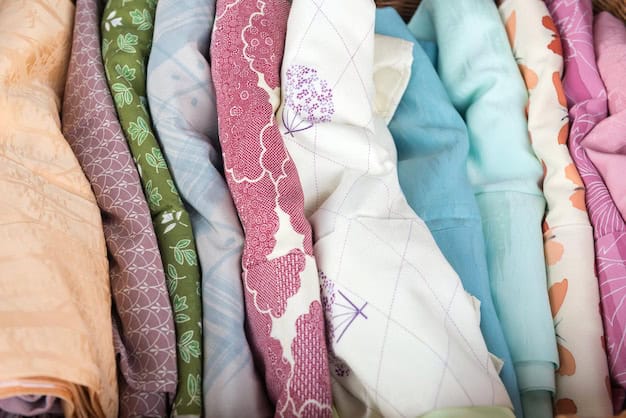
Silk: The Ultimate Luxury Choice For Women’s Blouses
Silk has reigned supreme in luxury fashion for thousands of years, and for good reason. This natural protein fiber, produced by silkworms, offers unmatched elegance and comfort that synthetic alternatives struggle to replicate.
Types of Silk for Women’s Blouses
Charmeuse is perhaps the most popular silk variety for women’s blouses, characterized by its glossy front and matte back. This weave creates a lustrous, reflective surface that catches light beautifully while maintaining a soft, fluid drape. Charmeuse blouses drape elegantly over the body, making them perfect for both professional settings and evening occasions.
Chiffon represents the lighter end of silk varieties, featuring a plain weave that creates a sheer, lightweight fabric for women’s blouses. Silk chiffon offers a delicate, floating quality that adds romance and sophistication to any blouse design. While beautiful, chiffon requires careful handling and layering due to its transparency.
Crepe de Chine features a distinctive crinkled texture created by alternating S and Z twists in the yarn. This subtle texture gives crepe de Chine excellent wrinkle resistance in blouses compared to smoother silk varieties while maintaining the luxurious feel and drape that silk is famous for.
Georgette is similar to chiffon but with a slightly heavier, more structured hand. The crepe-like texture provides better opacity than chiffon while maintaining the characteristic lightness and fluidity of silk for women’s blouses .
Silk Satin offers the highest sheen among silk varieties, with a glossy surface that exudes glamour and sophistication. This fabric creates dramatic blouses perfect for special occasions, though it can be more challenging to sew due to its slippery nature.
Pros of Silk For Custom Womens Blouses
The benefits of choosing silk for your custom blouse are numerous. Silk is naturally hypoallergenic, making it an excellent choice for those with sensitive skin or allergies. The protein structure of silk fibers is similar to human hair and skin, resulting in minimal irritation.
Breathability is another standout feature. Silk fibers naturally regulate temperature, keeping you cool in warm weather and providing insulation when temperatures drop. This makes silk blouses surprisingly versatile across seasons, particularly valuable in such a city like Bangkok’s climate where air-conditioned interiors contrast with hot outdoor temperatures.
The drape of silk is unparalleled. No synthetic fabric quite matches how silk flows and moves with the body, creating elegant lines that flatter every figure. This natural fluidity means silk blouses photograph beautifully and maintain their sophisticated appearance throughout the day.
Cons of Silk For Womens Blouses
Despite its many virtues, silk does present some challenges when used for women’s blouses. The most significant consideration is care, most silk blouses require dry cleaning or very careful hand washing. Water can cause silk to lose its luster, shrink, or develop water spots, making maintenance more demanding than cotton or synthetic alternatives.
Durability is another factor. Silk fibers, while strong in tension, can be damaged by abrasion, perspiration, and prolonged sun exposure. Silk, when used for women’s blouses, may not withstand the rigors of daily wear as well as more robust fabrics, making them better suited for special occasions or careful rotation in your wardrobe.
Cost is perhaps the most prohibitive factor for many. Quality silk commands premium prices, with pure silk blouse fabrics ranging from 800 to 3,000+ THB per meter depending on weight, weave, and origin. This investment reflects the labor-intensive production process and limited supply of genuine silk.
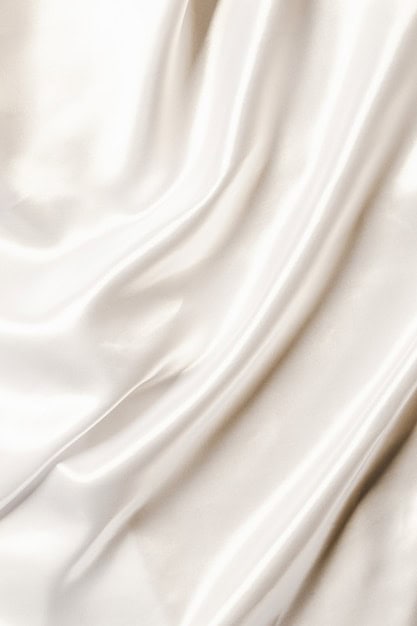
Cotton: The Everyday Essential For Custom Women’s Blouses
Cotton remains the world’s most popular natural fiber for good reason. This versatile, plant-based material offers comfort, breathability, and ease of care that make it ideal for everyday blouses.
Types of Cotton for Womens Blouses
Poplin is a crisp, plain-weave cotton, characterized by its fine horizontal ribs and smooth surface. This structured fabric holds its shape well, making it perfect for professional blouses that require a polished appearance. Poplin resists wrinkling better than many cotton varieties and provides excellent print quality for patterned designs.
Voile is a lightweight, semi-sheer cotton with a soft, slightly crisp hand. This fabric creates delicate, feminine blouses perfect for hot weather layering. Voile drapes softly while maintaining enough body to avoid clinging, making it flattering for various women’s body types for their blouses.
Batiste represents an ultra-fine, lightweight cotton traditionally used for heirloom sewing and delicate blouses. This fabric offers exceptional softness against the skin and beautiful drape, though it may require lining for opacity.
Egyptian and Pima Cotton are premium long-staple varieties that produce smoother, stronger, and more lustrous fabrics than standard cotton. These materials elevate basic cotton blouses into luxury territory while maintaining cotton’s practical benefits.
Pros of Cotton For Womens Blouses
Cotton’s primary advantage is its exceptional breathability. The natural fiber structure allows air circulation and moisture absorption, keeping you cool and comfortable even in Bangkok’s tropical heat. This makes cotton blouses ideal for daily wear and professional environments.
Ease of care distinguishes cotton from more delicate fabrics. Most cotton blouses can be machine washed and either tumble dried or line dried without special handling. This low-maintenance quality makes cotton perfect for busy professionals who need reliable, easy-care wardrobe staples.
Affordability is another significant benefit. Cotton fabrics range from 150 to 800 THB per meter, making custom cotton blouses accessible at various price points. This allows you to build a versatile blouse collection without breaking the bank.
Hypoallergenic properties make cotton suitable for sensitive skin. Unlike synthetic fabrics that can trap heat and moisture, cotton allows the skin to breathe and rarely causes irritation or allergic reactions.
Cons of Cotton For Womens Blouses
The most common complaint about cotton is wrinkling. Cotton fibers lack the natural elasticity of silk or synthetic fabrics, causing them to crease easily with wear and washing. While some cotton varieties (like poplin) resist wrinkles better than others, cotton blouses generally require ironing or steaming to maintain a crisp appearance.
Drape limitations affect how cotton blouses fit and move. Cotton lacks the fluidity of silk or rayon, sometimes resulting in stiffer silhouettes that don’t skim the body as elegantly. This can be advantageous for structured professional styles but less ideal for flowing, romantic designs.
Shrinkage is a risk with natural cotton, particularly if exposed to high heat during washing or drying. Quality cotton fabrics are often pre-shrunk, but it’s essential to follow care instructions to maintain your blouse’s fit over time.
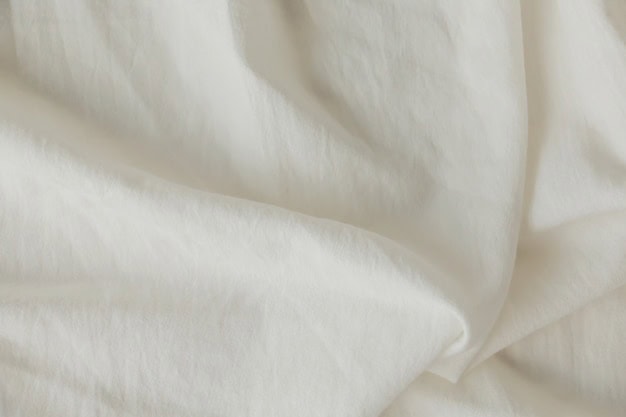
Linen: The Summer Classic
Linen, derived from the flax plant, has been prized for thousands of years for its exceptional coolness and distinctive texture. This ancient fiber offers unique properties that make it particularly well-suited to hot, humid climates.
Pros of Linen For Womens Blouses
Linen’s breathability is unmatched among natural fibers. The hollow structure of linen fibers allows maximum air circulation, making linen blouses significantly cooler than cotton or silk alternatives. For Bangkok’s tropical climate, linen is often the most comfortable choice for outdoor wear.
The textured, slightly rustic appearance of linen has become increasingly fashionable. What was once considered a drawback, linen’s characteristic slubs and irregularities, is now appreciated as a mark of authenticity and natural beauty. Linen blouses convey effortless sophistication and relaxed elegance.
Strength and durability are surprising benefits of this lightweight fabric. Linen is actually stronger than cotton when wet and becomes softer and more comfortable with each wash while maintaining its structural integrity. A well-made linen blouse can last for decades with proper care.
Environmental credentials add to linen’s appeal. Flax cultivation requires less water and fewer pesticides than cotton, making linen a more sustainable choice for environmentally conscious consumers.
Cons of Linen For Womens Blouses
Wrinkling is linen’s most notorious characteristic. The inelastic nature of linen fibers means the fabric creases dramatically with wear, creating a lived-in look that some embrace but others find unacceptable for professional settings. While some modern linen blends resist wrinkling better than pure linen, this remains a significant consideration.
Stiffness when new can make linen blouses feel crisp or even scratchy initially. However, this resolves with washing and wear as the fibers soften. High-quality linen becomes increasingly supple over time without losing its structural integrity.
Cost for premium linen can approach silk prices, with quality linen fabrics ranging from 400 to 1,500 THB per meter. The labor-intensive production process and limited growing regions contribute to these higher prices compared to cotton.
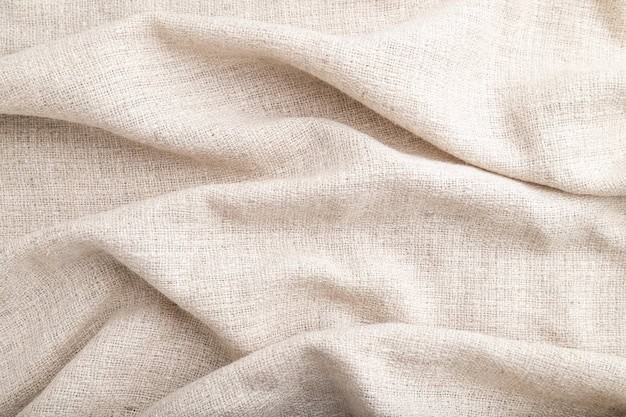
Rayon and Viscose: The Silk Alternative For Women’s Blouses
Rayon and viscose (technically the same fiber with slightly different manufacturing processes) are semi-synthetic fabrics made from regenerated cellulose fibers. These materials offer an affordable alternative to silk while providing similar drape and comfort.
Pros of Rayon/Viscose Blouses For Women
The drape of rayon closely mimics silk at a fraction of the cost. This makes rayon an excellent choice for flowing, elegant blouse designs that would be prohibitively expensive in genuine silk. The fabric skims the body beautifully, creating flattering silhouettes for various figure types.
Dye absorption is exceptional in rayon fabrics. Cellulose fibers accept dyes readily, resulting in vibrant, rich colors that remain true over time. This makes rayon ideal for bold, colorful blouses and intricate prints.
Breathability rivals that of natural fibers. Unlike fully synthetic fabrics, rayon allows air circulation and moisture absorption, keeping you comfortable in warm weather. This breathability makes rayon suitable for tropical climates where pure synthetics might feel clammy.
Affordability makes custom blouses accessible. Rayon fabrics typically range from 200 to 600 THB per meter, allowing you to experiment with different styles and colors without significant financial investment.
Cons of Rayon/Viscose Blouses For Women
Durability concerns are the primary drawback of rayon. The manufacturing process creates fibers that are weaker than natural alternatives, making rayon blouses more susceptible to tearing, pilling, and general wear. Rayon garments typically have shorter lifespans than silk or cotton equivalents.
Shrinkage can be dramatic if the rayon is exposed to water or heat. Many rayon fabrics require dry cleaning to maintain their size and shape, negating some of the cost savings compared to washable natural fibers. Always check care instructions before cleaning rayon blouses.
Wrinkling occurs readily with rayon, though not as severely as linen. The fabric lacks the resilience to spring back from creases, requiring regular ironing or steaming to maintain a polished appearance.
Environmental impact varies by manufacturing process. While rayon is derived from natural cellulose, the chemical processing required can be environmentally damaging if not properly managed. Look for Tencel or Lyocell (branded forms of rayon) for more sustainable alternatives with similar properties.
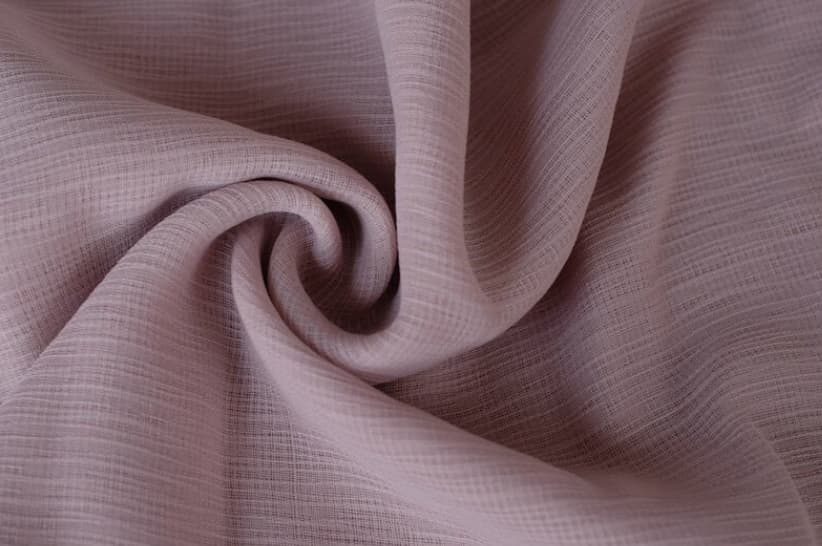
Polyester Blends: The Practical Choice For Womens Blouses
Modern polyester has evolved significantly from the stiff, uncomfortable fabrics of decades past. When blended with natural fibers, polyester can enhance durability and ease of care while maintaining comfort and appearance.
Common Polyester Blends For Women’s Blouses
Polyester-Cotton blends (often called “poly-cotton”) combine the breathability of cotton with polyester’s wrinkle resistance. These blends are extremely popular for workwear blouses that need to look crisp throughout busy days without requiring ironing.
Polyester-Rayon blends offer improved durability over pure rayon while maintaining the desirable drape and sheen. These fabrics are common in affordable fashion and can mimic the appearance of more expensive silk at lower price points.
Polyester-Spandex blends add stretch to blouse fabrics, creating comfortable, forgiving garments that move with your body. These blends are ideal for fitted blouse styles that require some give for comfort.
Pros of Polyester Blend For Women’s Blouses
Wrinkle resistance is perhaps the most appreciated quality of polyester blends. These fabrics emerge from suitcases looking fresh and maintain their appearance through long workdays. For travelers or busy professionals, this low-maintenance quality is invaluable.
Durability exceeds that of pure natural fibers. Polyester blends resist abrasion, stretching, and general wear, resulting in blouses that maintain their appearance through many wears and washes. This longevity can offset the lower cost of these fabrics.
Affordability makes polyester blends the most budget-friendly option for custom blouses. Fabrics typically range from 150 to 400 THB per meter, allowing you to commission multiple blouses for the price of one silk equivalent.
Colorfastness ensures that polyester blend blouses maintain their vibrant colors through repeated washing and sun exposure. Unlike natural fibers that may fade over time, polyester blends retain their appearance longer.
Cons of Polyester Blend For Women’s Blouses
Breathability limitations are the most significant drawback. Polyester fibers don’t absorb moisture, which can result in a clammy, uncomfortable feeling in hot, humid conditions. In Bangkok’s climate, pure polyester or high-polyester blends may feel uncomfortably warm during outdoor activities.
Static cling can be problematic, particularly in dry environments or air-conditioned spaces. Polyester fabrics tend to generate static electricity, causing blouses to cling to the body or attract lint.
The “cheap” appearance of some polyester blends can undermine the sophisticated look of a custom blouse. Lower-quality polyester may have an artificial sheen or stiff hand that looks inexpensive. However, high-quality polyester blends can be virtually indistinguishable from natural fibers.
Environmental concerns surround polyester as a petroleum-derived synthetic fiber. These fabrics don’t biodegrade and can release microplastics during washing. Consider the environmental impact when choosing polyester blends.
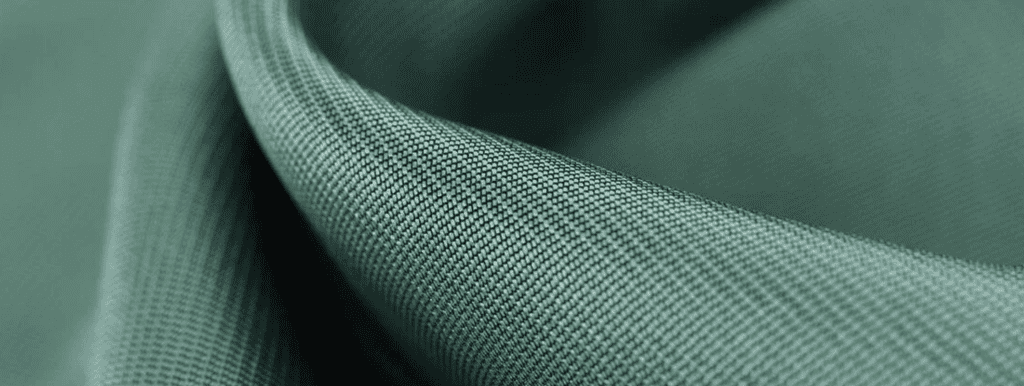
Crepe: The Textured Elegance For Women’s Blouse
Crepe refers to a fabric characterized by its distinctive crinkled, pebbled texture. This texture can be achieved through various fiber types and weaving techniques, making crepe a versatile category rather than a specific material.
Types of Crepe for Women’s Blouses
Crepe de Chine (mentioned earlier under silk) offers the luxurious properties of silk with added texture and wrinkle resistance.
Wool Crepe provides structure and warmth for cooler-weather blouses, though it’s less common in tropical climates.
Polyester Crepe offers the textured appearance and wrinkle resistance of traditional crepe at a lower price point and with easier care.
Georgette (also mentioned under silk) is technically a type of crepe with a slightly heavier, more structured hand than chiffon.
Pros of Crepe For Women’s Blouses
Wrinkle hiding is crepe’s superpower. The textured surface camouflages creases and folds that would be obvious on smooth fabrics. This makes crepe blouses ideal for travel and long days when you need to maintain a polished appearance without access to ironing facilities.
The textured appearance adds visual interest and sophistication to blouse designs. Crepe fabrics catch light differently than smooth materials, creating subtle variations in shade that add depth and dimension to garments.
Good drape characterizes most crepe fabrics, particularly silk and rayon varieties. The fabric flows elegantly while maintaining enough body to avoid clinging, creating flattering silhouettes for various body types.
Versatility across seasons depends on fiber content. Silk crepe works year-round, while wool crepe provides winter warmth and polyester crepe offers summer practicality.
Cons of Crepe For Women’s Blouses
Warmth can be an issue with certain crepe varieties. The textured surface can trap air and heat, making some crepe fabrics feel warmer than smooth alternatives of the same weight. This varies significantly by fiber content.
Care requirements vary widely depending on the base fiber. Silk crepe requires the same careful handling as other silk fabrics, while polyester crepe may be machine washable. Always verify care instructions for your specific crepe fabric.
Cost ranges from affordable (polyester crepe) to luxury (silk crepe), so budget considerations will guide your fiber choice within the crepe category.
Chiffon: The Sheer Delicacy For Women’s Blouses
Chiffon is a lightweight, sheer fabric traditionally made from silk but now commonly produced from synthetic fibers as well. Its ethereal quality makes it perfect for elegant, feminine blouse designs.
Pros of Chiffon Blouses For Women
Elegant appearance is chiffon’s defining characteristic. The sheer, floating quality of chiffon creates romance and sophistication that few other fabrics can match. Chiffon blouses are perfect for special occasions, evening wear, and feminine professional looks.
Layering possibilities expand your wardrobe options. Chiffon blouses work beautifully over camisoles or under jackets, adding texture and interest to layered outfits. The transparency allows for creative color combinations and styling options.
Lightweight comfort makes chiffon ideal for hot weather. Even when layered, chiffon adds minimal bulk and allows air circulation, keeping you cool while maintaining coverage.
Drape is exceptional, with chiffon flowing and moving beautifully with the body. This creates graceful lines and flattering silhouettes that photograph well and move elegantly.
Cons of Chiffon Blouses For Women
Sewing difficulty makes chiffon challenging for less experienced tailors. The slippery, lightweight fabric requires specialized techniques and equipment to handle effectively. This is where working with an experienced tailor like Jesse & Son becomes essential for quality results.
Delicacy requires careful handling. Chiffon snags and tears easily, making it unsuitable for high-activity situations or rough wear. These blouses are best reserved for occasions where they won’t be subjected to abrasion or stress.
Opacity issues mean chiffon blouses typically require layering over opaque garments or strategic lining. This adds complexity to design and may limit styling options.
The cost for silk chiffon is high, comparable to other silk varieties. Synthetic chiffon is more affordable but may lack the luxurious hand and drape of genuine silk.
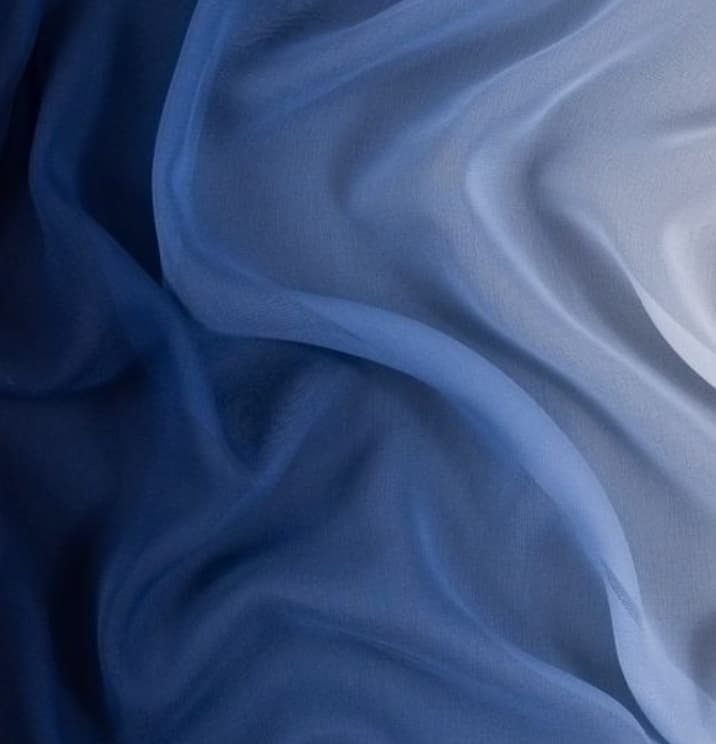
Seasonal Fabric Recommendations For Women’s Blouses
Summer Fabric Guide For Women’s Blouses (March-May in Bangkok)
Bangkok’s hot season demands maximum breathability and minimal weight. The ideal summer blouse fabrics include:
Top Choices:
- Linen: Unmatched breathability and cooling properties
- Cotton Voile: Lightweight, airy, and comfortable
- Silk Chiffon: Elegant and cool for special occasions
- Rayon: Affordable alternative with good drape and breathability
Avoid: Heavyweight fabrics, high-polyester blends, and lined garments that trap heat.
Rainy Season Fabric Guide For Women’s Blouses (June-October)
Humidity and occasional rain require fabrics that dry quickly and resist mildew:
Top Choices:
- Cotton Poplin: Quick-drying and structured
- Silk Crepe: Resists water spots better than smooth silk
- Polyester-Cotton Blends: Quick-drying and wrinkle-resistant
- Synthetic Chiffon: Dries quickly if caught in rain
Consider: Wrinkle-resistant fabrics that maintain appearance despite humidity.
Cool Season Fabric Guide For Women’s Blouses(November-February)
Bangkok’s relatively mild cool season allows for slightly heavier fabrics:
Top Choices:
- Silk Charmeuse: Luxurious and slightly warmer
- Cotton Poplin: Comfortable for air-conditioned environments
- Crepe: Adds warmth while maintaining elegance
- Lightweight Wool Blends: For the coolest days
Avoid: Sheer fabrics that provide insufficient coverage in cooler temperatures.
Care Instructions by Fabric
Proper care extends the life of your custom blouses significantly. Here’s a comprehensive care guide:
| Fabric | Washing | Drying | Ironing | Dry Cleaning |
| Silk | Hand wash cold only | Air dry flat | Low heat, damp | Recommended |
| Cotton | Machine wash warm | Tumble dry low or air dry | Medium to high heat | Optional |
| Linen | Machine wash cold | Air dry preferred | High heat, damp | Optional |
| Rayon/Viscose | Hand wash cold | Air dry flat | Low heat | Recommended |
| Polyester Blends | Machine wash warm | Tumble dry low | Low heat | Optional |
| Crepe | Follow base fiber instructions | Air dry | Low heat | Varies by fiber |
| Chiffon | Hand wash cold | Air dry flat | Very low heat | Recommended |
General Care Tips:
- Always check the specific care label on your garment
- Use gentle, pH-neutral detergents for natural fibers
- Avoid direct sunlight when drying to prevent fading
- Store silk and chiffon blouses on padded hangers to maintain shape
- Rotate your blouses to prevent wear patterns
Price Guidance for Custom Blouses For Women
Understanding fabric costs helps you budget for your custom blouse wardrobe:
Fabric Cost Ranges (per meter)
Budget-Friendly (150-400 THB/meter):
- Basic cotton
- Polyester blends
- Basic rayon
- Synthetic chiffon
Mid-Range (400-800 THB/meter):
- Premium cotton (Egyptian, Pima)
- Quality linen
- Better rayon
- Polyester crepe
Premium (800-1,500 THB/meter):
- Silk crepe
- Silk georgette
- Premium linen
- Silk-cotton blends
Luxury (1,500-3,000+ THB/meter):
- Silk charmeuse
- Silk chiffon
- High-end specialty silks
- Designer fabrics
Total Custom Blouse Investment
Remember that fabric cost is just one component of your custom blouse. Labor, fittings, and any special details (buttons, linings, trims) add to the total investment. At Jesse & Son Tailor, we provide transparent pricing that reflects the quality of materials and craftsmanship you receive.
Frequently Asked Questions
1. What’s the best fabric for a custom blouse for women in Bangkok’s climate?
For Bangkok’s tropical climate, linen and lightweight cotton are excellent choices for daily wear for women’s blouses due to their superior breathability. For professional settings, cotton poplin or silk crepe offer polish without sacrificing comfort. Consider your specific activities and environment when making your selection.
2. How do I choose between silk and silk alternatives for women’s blouses?
Choose genuine silk when you want the ultimate luxury, have the budget for investment pieces, and can commit to proper care for your blouse. Opt for rayon or high-quality polyester alternatives when you need similar drape at lower cost, want easier care, or are experimenting with styles before investing in silk.
3. Will my custom blouse shrink after washing?
Quality custom blouses are typically pre-washed or constructed with shrinkage allowances. However, natural fibers like cotton and linen may shrink slightly on first washing. Always follow care instructions for your blouse and avoid high heat to minimize shrinkage. When in doubt, dry clean delicate fabrics.
4. What’s the most wrinkle-resistant fabric used to make women’s blouses for travel?
Polyester blends and crepe fabrics resist wrinkles best, making them ideal for travel. Linen wrinkles most readily but can be embraced as part of its relaxed aesthetic. Silk charmeuse wrinkles less than you might expect, while cotton requires the most maintenance to stay crisp.
5. How many custom blouses should I start with?
We recommend starting with 3-5 custom blouses in versatile fabrics: one crisp cotton for professional settings, one silk for special occasions, one linen for casual elegance, and perhaps a crepe or rayon for versatility. This foundation allows you to experience different fabrics before expanding your collection.
6. Can I machine wash my silk blouse?
While some modern silks are labeled as machine washable, we generally recommend dry cleaning or careful hand washing for custom silk blouses. The investment in professional cleaning protects your garment and extends its lifespan significantly. If hand washing, use cold water and mild detergent, and never wring or twist the fabric.
7. What’s the difference between chiffon and georgette for blouses?
Both are lightweight, flowing fabrics, but chiffon is sheerer and more delicate with a smoother surface. Georgette is slightly heavier, more opaque, and has a distinctive crinkled texture. Chiffon is ideal for layering and romantic styles, while georgette offers more structure and coverage.
8. How do I know if a fabric is high quality for my blouse?
High-quality fabrics feel substantial but not heavy, with even coloration and consistent weave. For cotton, longer fibers (Egyptian, Pima) indicate higher quality. For silk, look for even sheen and smooth texture. Hold the fabric up to light, quality materials have consistent density without thin spots. Your tailor can guide you in evaluating fabric quality.
9. Are natural fibers always better than synthetics for women’s blouses?
Not necessarily. While natural fibers offer breathability and luxury, modern synthetics and blends provide practical benefits like wrinkle resistance, durability, and affordability. The “best” fabric depends on your specific needs, budget, and intended use. Many experienced dressmakers appreciate the properties of well-made synthetic fabrics.
10. How should I store my custom blouses?
Store blouses on padded hangers to maintain shoulder shape, with enough space between garments to prevent crushing. Silk and chiffon should be protected from direct sunlight. Use breathable garment bags for long-term storage, and never store in plastic which can trap moisture. Cedar blocks or lavender sachets help protect natural fibers from moths.
Conclusion: Creating Your Perfect Custom Blouse
The perfect blouse fabric is a balance between your personal style, practical needs, lifestyle, and budget. Whether you are drawn to the fluid elegance of silk, the everyday comfort of cotton, the lightness of linen, or the versatility of blended fabrics, understanding how each material behaves allows you to make more confident and informed choices when building your custom wardrobe.
At Jesse & Son Tailor, we bring decades of experience in helping clients navigate these decisions with clarity and precision. As a trusted tailor shop in Bangkok, our team understands how different fabrics drape, move, and wear over time, ensuring that every blouse is not only visually refined but also comfortable and long-lasting. From selecting the right material to achieving the final fit, each step is guided with attention to detail and craftsmanship.
If you are looking to elevate your wardrobe with pieces that are thoughtfully designed and made to last, a custom approach makes all the difference. A well-crafted blouse should feel effortless to wear while reflecting your individual style, something that can only be achieved through careful tailoring and the right fabric choices.